How AI is Automating Meal Tracking: No More Manual Logging
Published on 2026-01-03
For years, tracking what you eat meant searching through massive databases, weighing food, and manually entering every gram. This friction is the #1 reason people stop tracking their nutrition. AI is changing that.
1. Computer Vision & Food Recognition
Modern AI can now "see" what’s on your plate. By using advanced neural networks trained on millions of food images, apps like IMCAF can identify proteins, complex carbs, and fats in a single photo.
2. Estimating Portion Sizes
The hardest part of manual tracking is estimating "how much." AI models go beyond just naming the food; they analyze the volume and depth of the objects in the image to estimate portion sizes with surprising accuracy.
3. Natural Language Processing (NLP)
If you don't have a photo, you can simply tell your AI: "I had a medium bowl of oatmeal with blueberries and a splash of almond milk." NLP models breakdown this sentence into specific ingredients and quantities, logging them instantly into your daily totals.
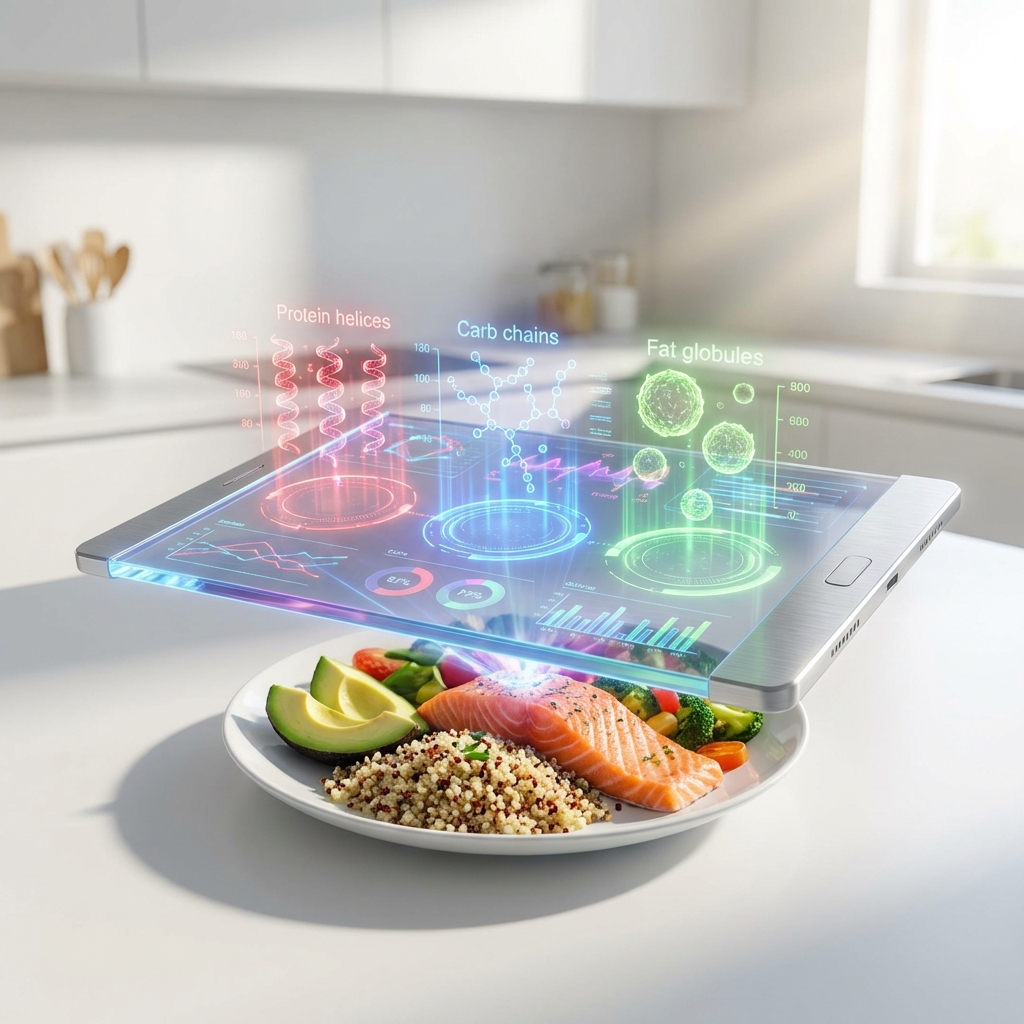 Caption: AI analyzing a plate of food instantly.
4. Why Automation Matters
Automation leads to consistency. When tracking takes 10 seconds instead of 10 minutes, users are more likely to stick with it long-term. This leads to better data, and better data leads to better health outcomes.
Experience the Future
IMCAF was built to eliminate the "work" of wellness. Snap a photo, let the AI do the math, and stay focused on your goals.
Medical Disclaimer
The content on this blog is for informational purposes only and is not intended as medical advice, diagnosis, or treatment. Always seek the advice of your physician or other qualified health provider with any questions you may have regarding a medical condition.
Written By
The IMCAF Team
Validated by our nutrition data team for accuracy and safety.
Ready to try intermittent fasting?
Download IMCAF to get the free AI fasting timer and meal analysis tools mentioned in this article.
Try Web Tools